
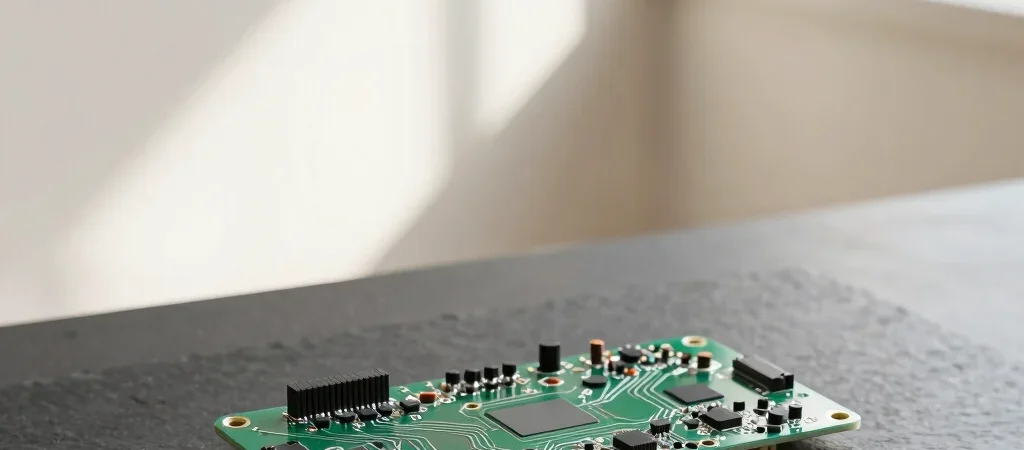
When founders outside Southern China talk about hardware development, they usually describe linear milestones separated by weeks of shipping delays. Component sourcing happens over email, design revisions take months, and factory communication is filtered through multiple layers of trading companies. In Shenzhen, that entire feedback loop shrinks from weeks to hours.
Compressing the Hardware Prototyping Cycle
The real power of the Baoan and Nanshan electronics clusters is not merely low production costs, but the density of specialized engineering knowledge. If an automotive display controller requires a modified ribbon cable or a custom tooling fixture, you do not order a sample online and wait for custom delivery. You walk to Huaqiangbei or visit a specialized workshop twenty minutes away and test three revisions by sunset.
This compressed cycle changes how a company approaches product design. Instead of guessing user requirements in isolation, you push functional prototypes into real-world testing early, refining housing fits and thermal performance before capital is locked into mass tooling.
Aligning Global Distribution with Local Production
Building a direct-to-consumer automotive brand like Roadnavier requires bridging this physical velocity with Western consumer expectations. A fast supply chain is worthless if your software integration or customer experience feels unrefined. The advantage lies in using local hardware agility to support global software iteration, ensuring physical hardware updates match digital firmware improvements seamlessly.
Focusing on Lasting Product Quality
Speed without discipline leads to market noise. The goal is not to ship cheap hardware quickly, but to leverage local proximity to build robust, beautifully finished automotive technology that operates flawlessly across different global climates and user habits.